Interior Color Psychology: How Paint Choices Influence Mood and Functionality
Interior paint colors influence both appearance and emotional perception. Proper color selection helps improve comfort, productivity, and the overall living experience within a home.
Understanding the Psychology Behind Interior Colors
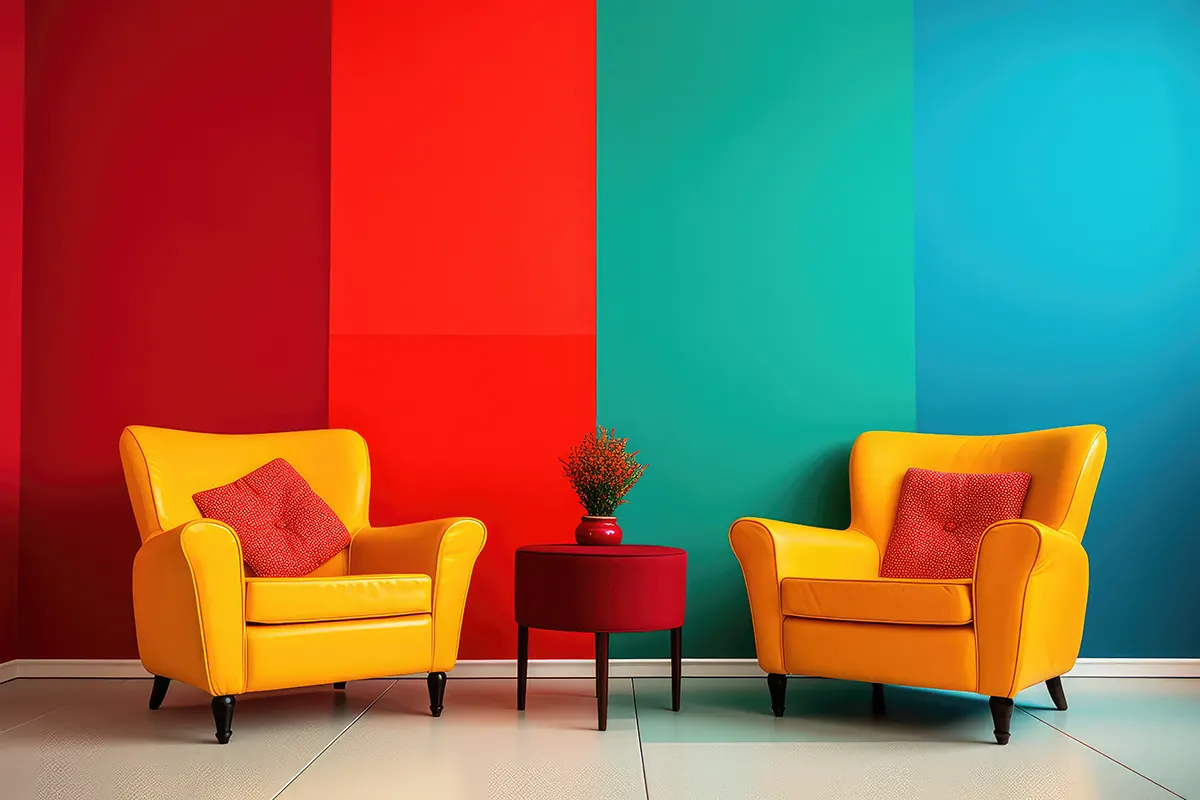
Interior colors are strongly connected to emotional response. Neutral tones are commonly associated with calmness and balance, while warmer colors may create energy and activity. Cooler shades are often linked to relaxation and focus, making them suitable for bedrooms or workspaces. When these effects are understood, more intentional decisions can be made. As a result, each space can better support its purpose while maintaining visual harmony.
Choosing Colors Based on Room Function
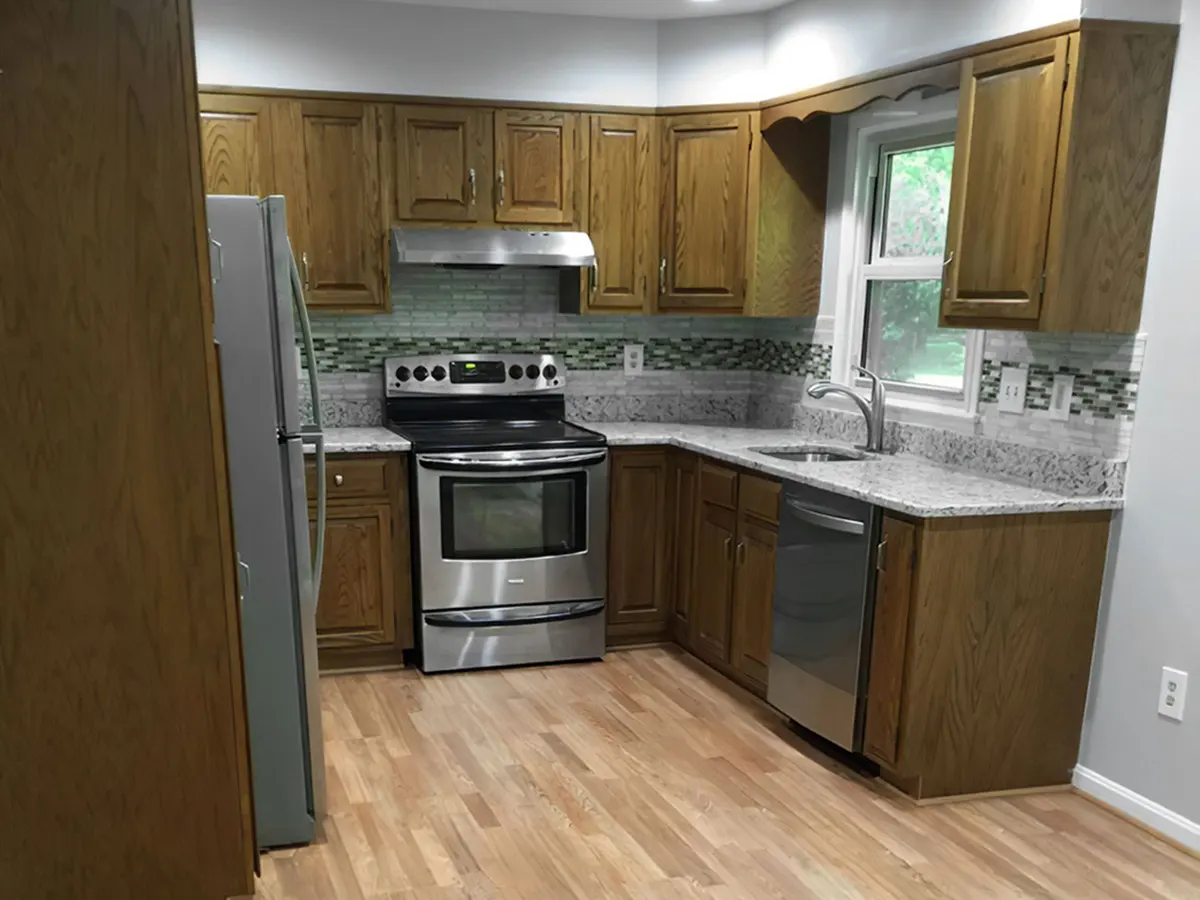
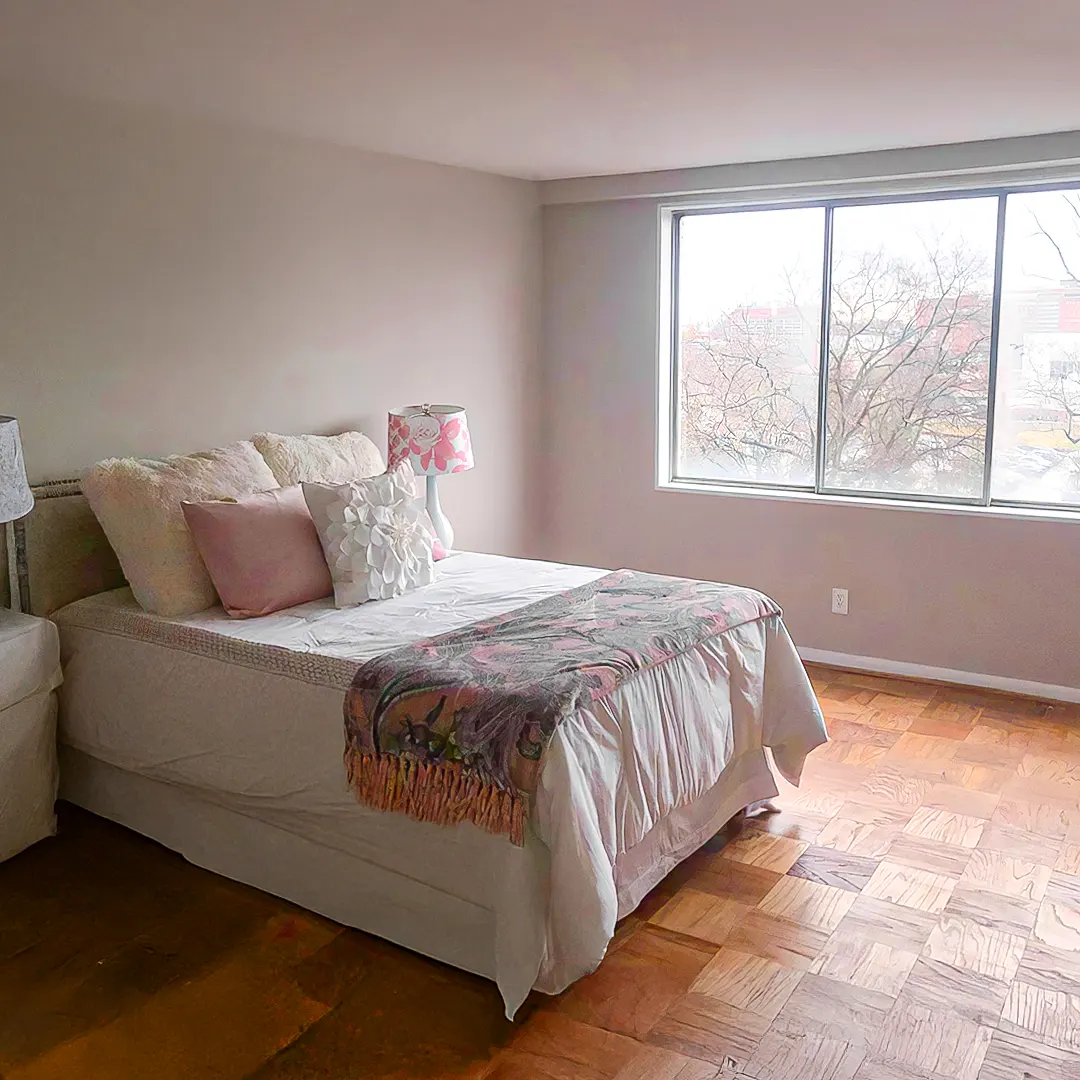
Each room serves a different function, and color selection should reflect that purpose. Living rooms are typically designed for comfort, so soft neutrals or warm tones are frequently used. Bedrooms benefit from calming colors that promote rest, while kitchens may include brighter tones to enhance visibility and energy. Aligning colors with functionality improves usability and creates a more consistent interior design.
Creating Visual Balance with Color Combinations
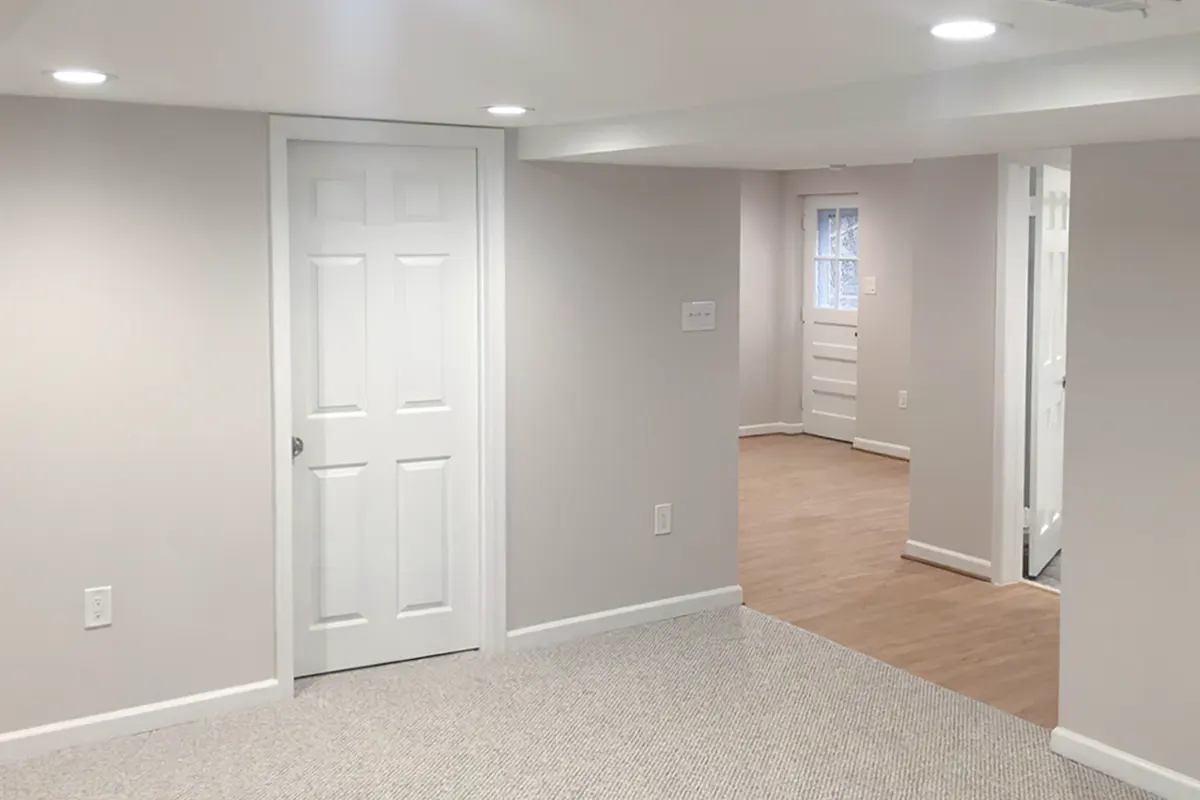
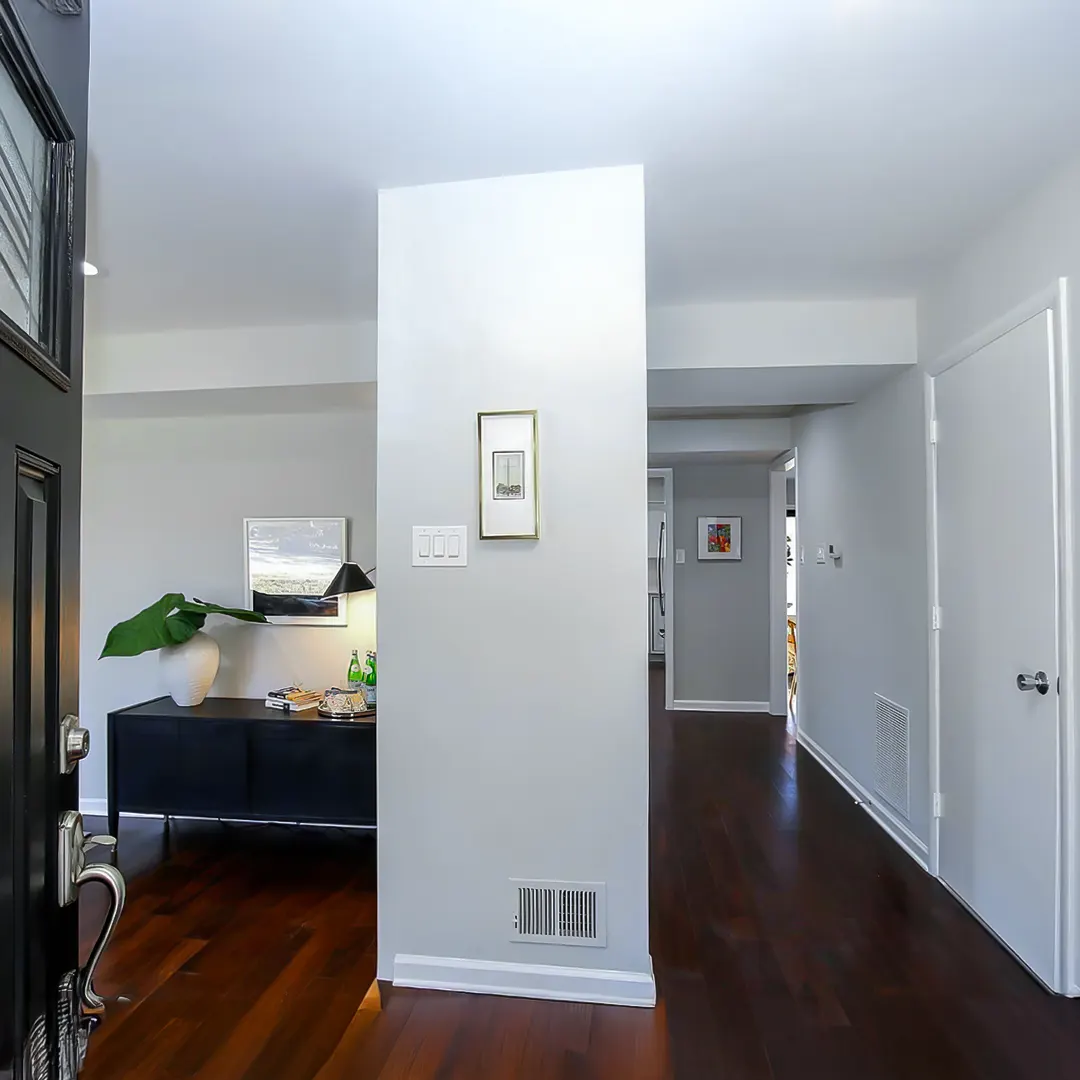
Balanced color combinations help unify interior spaces. Main wall colors should be complemented by ceilings, trim, and accent tones to avoid visual imbalance. Consistency between areas is especially important in open layouts. Transitional colors can connect spaces smoothly without creating harsh contrasts, improving flow and overall perception.
The Role of Lighting in Color Perception
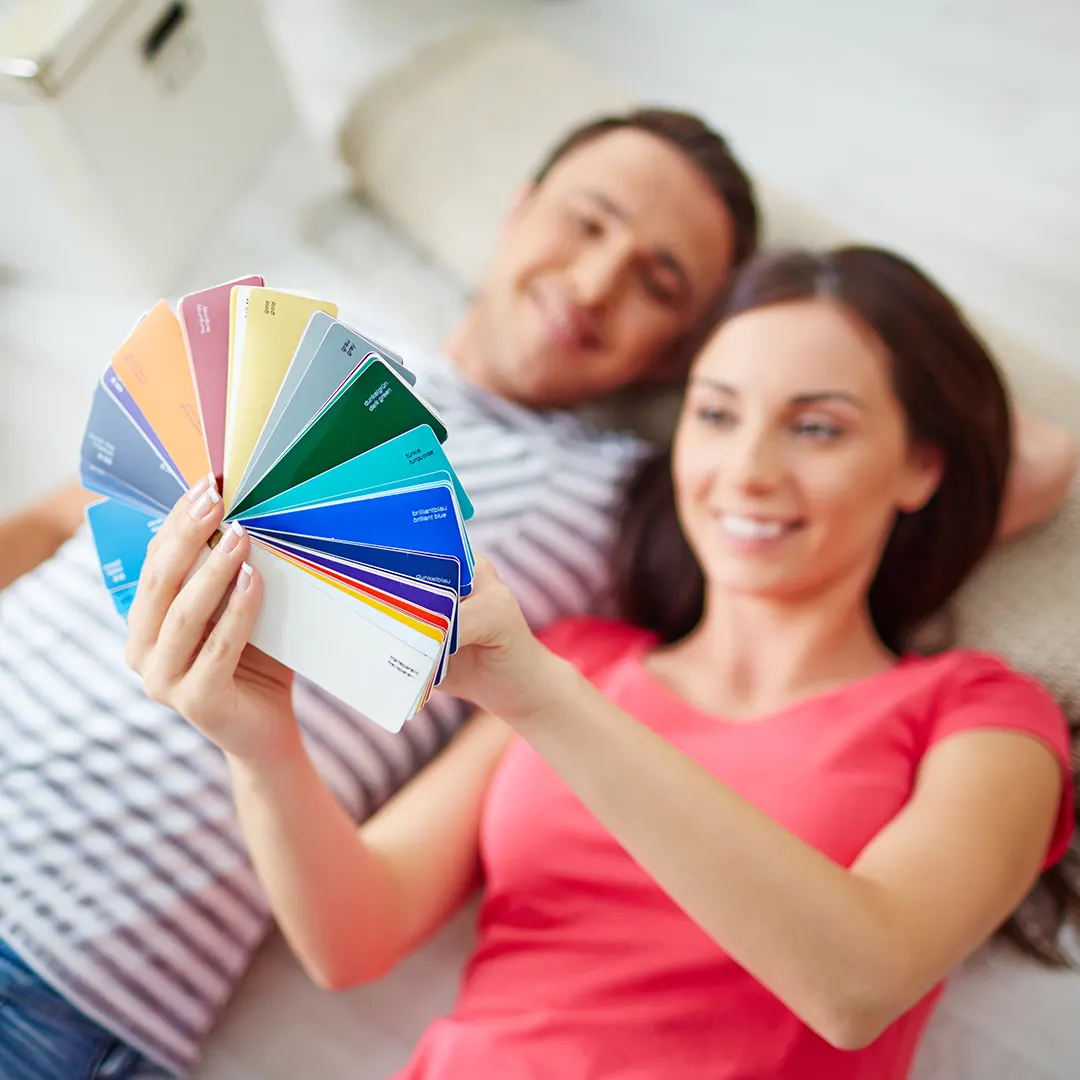
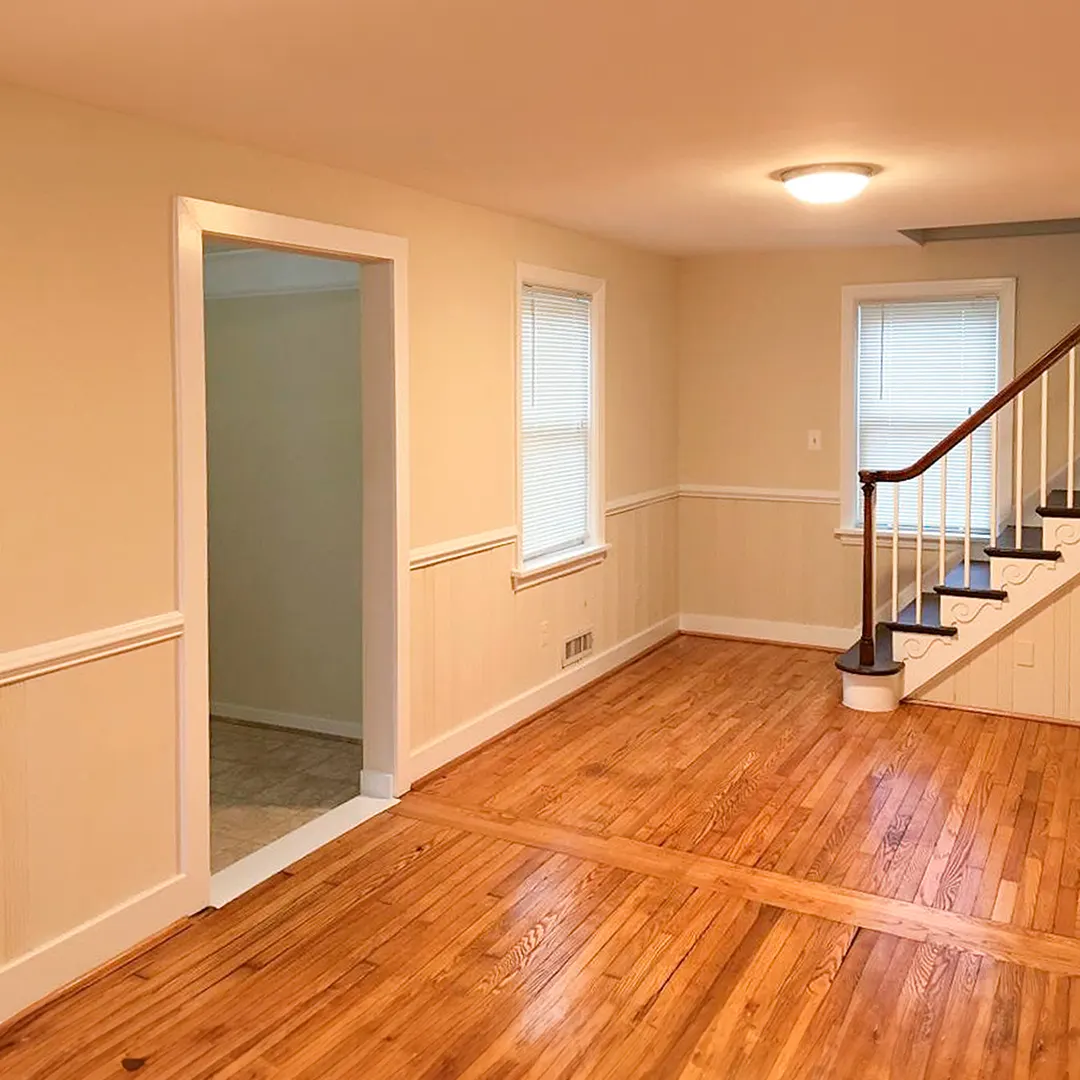
Lighting conditions affect how colors are perceived. Natural light reveals true tones, while artificial lighting may change warmth or brightness. Testing paint samples under different lighting conditions is recommended. This ensures that colors maintain their intended appearance throughout the day.
Long-Term Benefits of Strategic Color Selection
Strategic color selection reduces the need for frequent repainting and improves long-term satisfaction. Well-planned interiors remain visually appealing and functional over time. Proper coordination between color, lighting, and space contributes to a comfortable and durable living environment.
Related articles