Kitchen Island Design: How to Add Storage, Seating, and Functionality
Choosing the Right Island Size for the Kitchen
The size of a kitchen island should be determined by the available floor space rather than by appearance alone. An oversized island can restrict movement, while one that is too small may not provide enough useful workspace.
Comfortable clearance should be maintained around cabinets, appliances, and walkways. During a kitchen renovation, measurements can be carefully planned so doors and drawers open properly without interfering with surrounding areas. A correctly proportioned island feels integrated into the room and allows people to move comfortably while meals are being prepared.
Adding Practical Storage to the Island
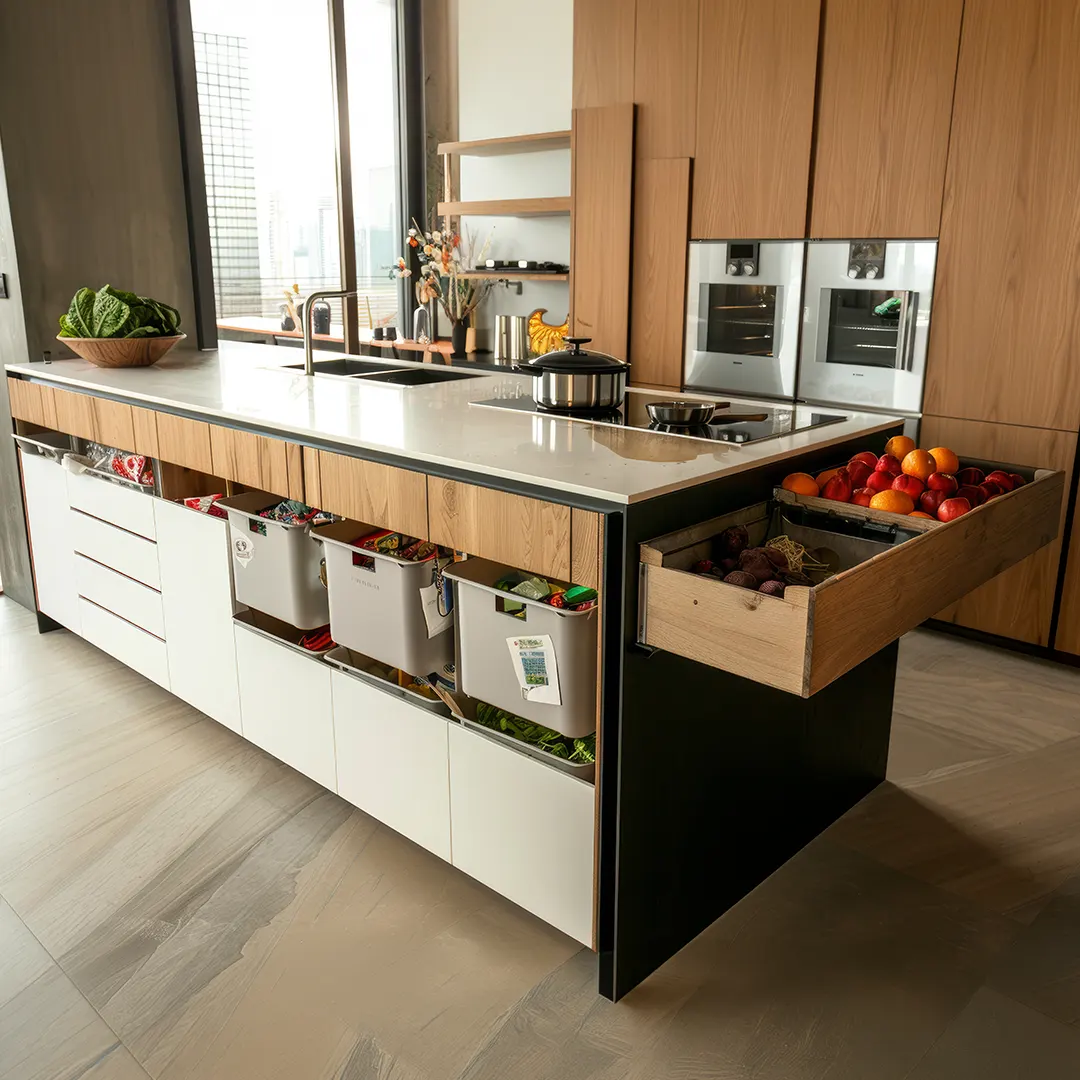
Kitchen islands offer valuable opportunities to increase storage without adding cabinets around every wall. Deep drawers can hold pots and pans, while cabinets can accommodate small appliances, serving pieces, and other items that are not needed every day.
Open shelving may also be incorporated for cookbooks or decorative pieces. Storage should be planned according to household routines so frequently used items remain accessible. This helps reduce countertop clutter and keeps the kitchen organized.
Creating Comfortable Island Seating
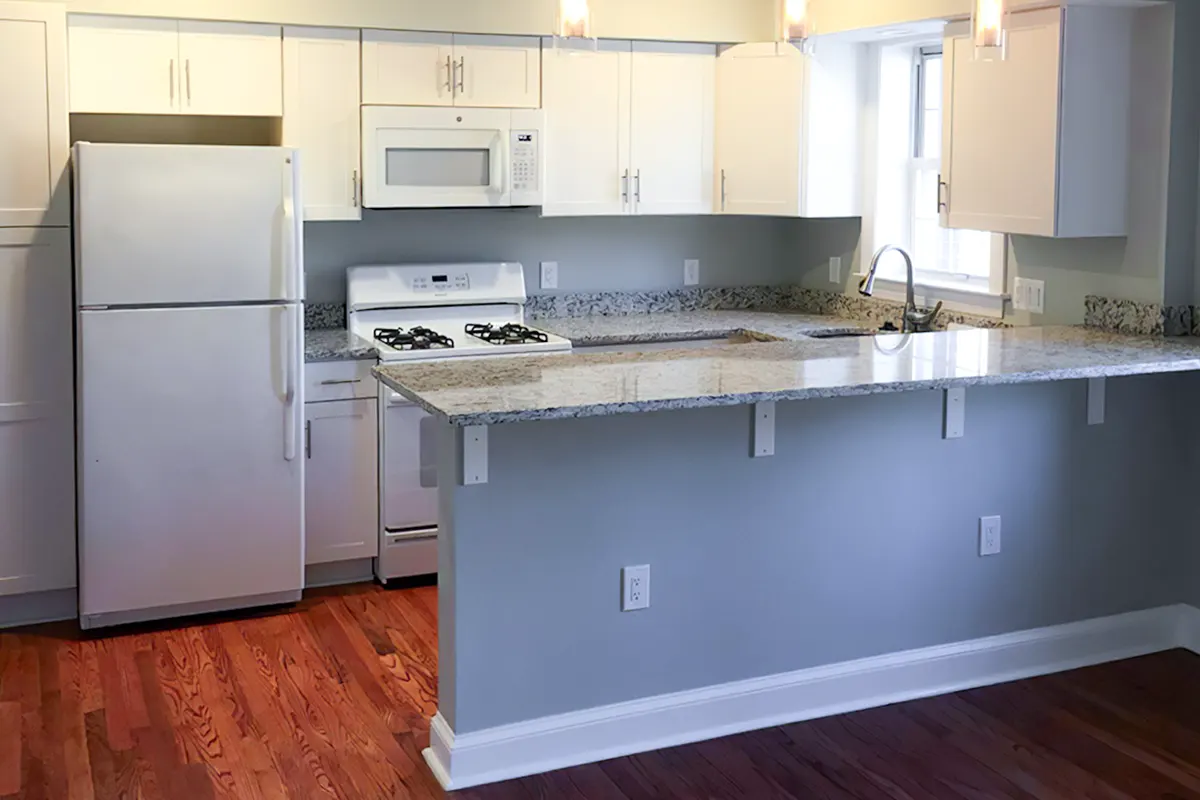
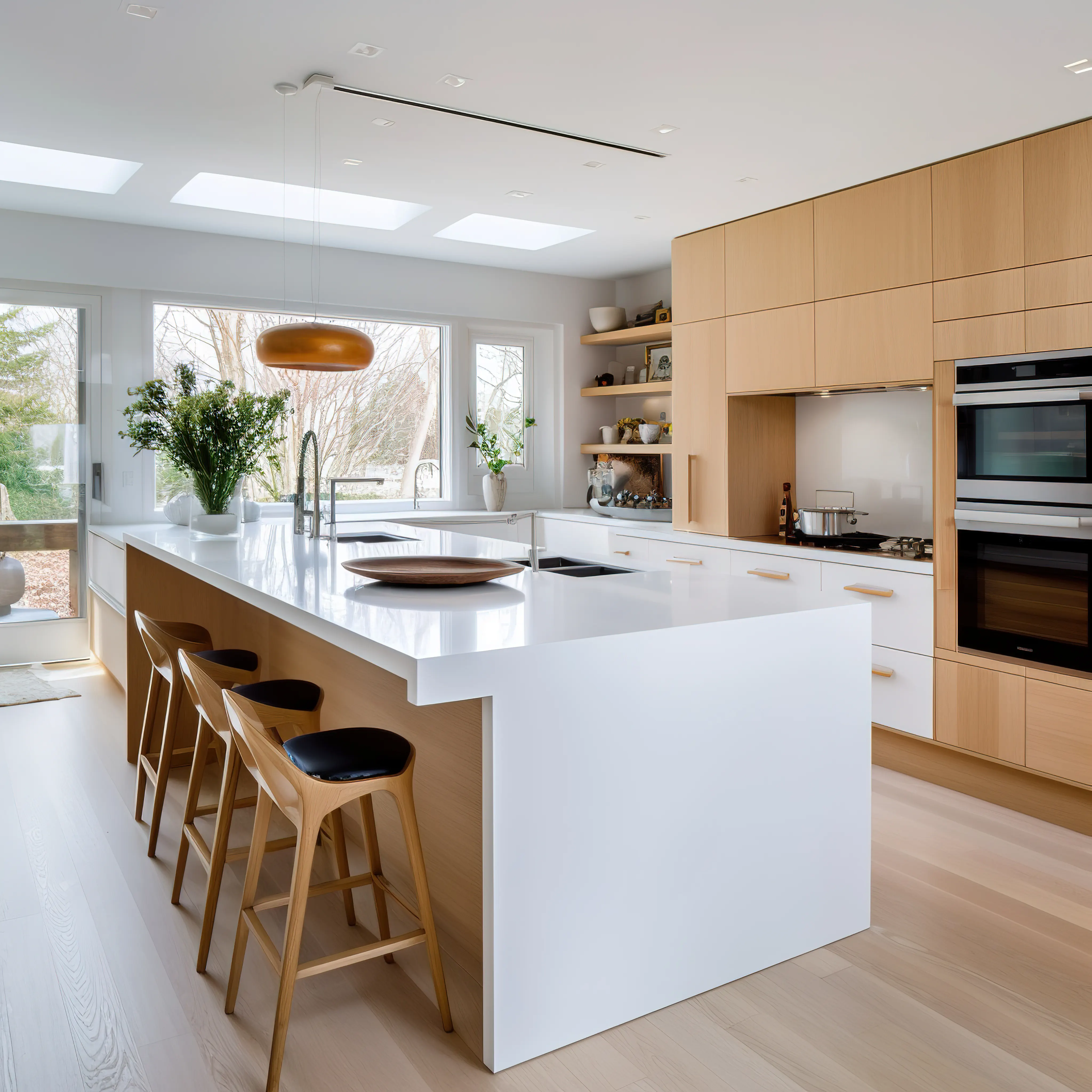
An island can become an informal gathering area when seating is incorporated into the design. It may be used for breakfast, homework, conversations, or quick meals throughout the day.
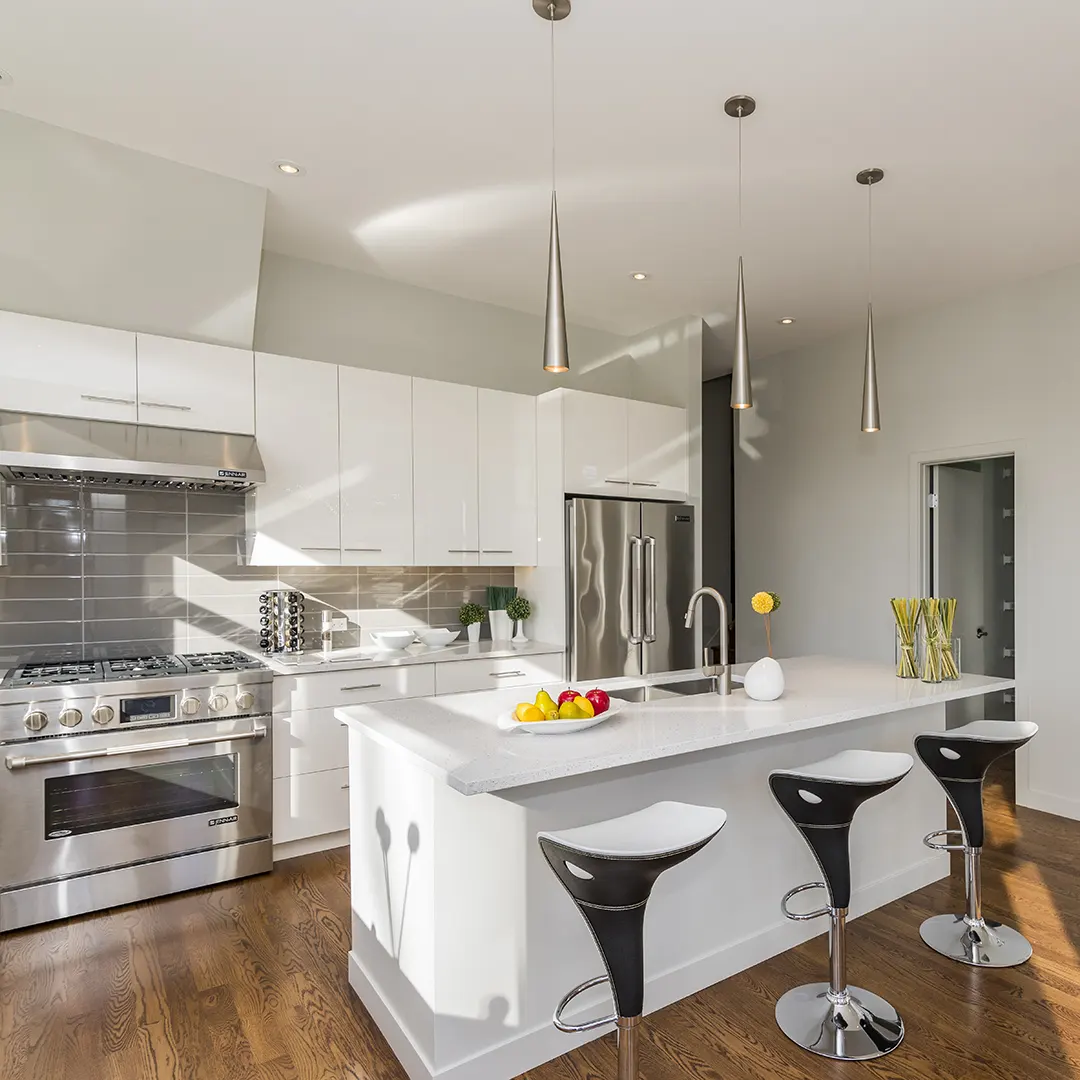
Adequate countertop overhang and comfortable spacing between seats are important for usability. The number of seats should also be appropriate for the island dimensions. Thoughtful planning creates a seating area that feels comfortable without affecting circulation through the kitchen.

Selecting a Durable Island Countertop
Because kitchen islands are frequently used for food preparation, dining, and entertaining, their countertops must handle everyday activity. Quartz, granite, and other durable surfaces are commonly considered for their strength and easy maintenance.
The countertop can coordinate with surrounding surfaces or provide subtle contrast. Material selection should balance appearance, maintenance requirements, durability, and how the island will actually be used.
Making the Island Part of the Overall Kitchen Design
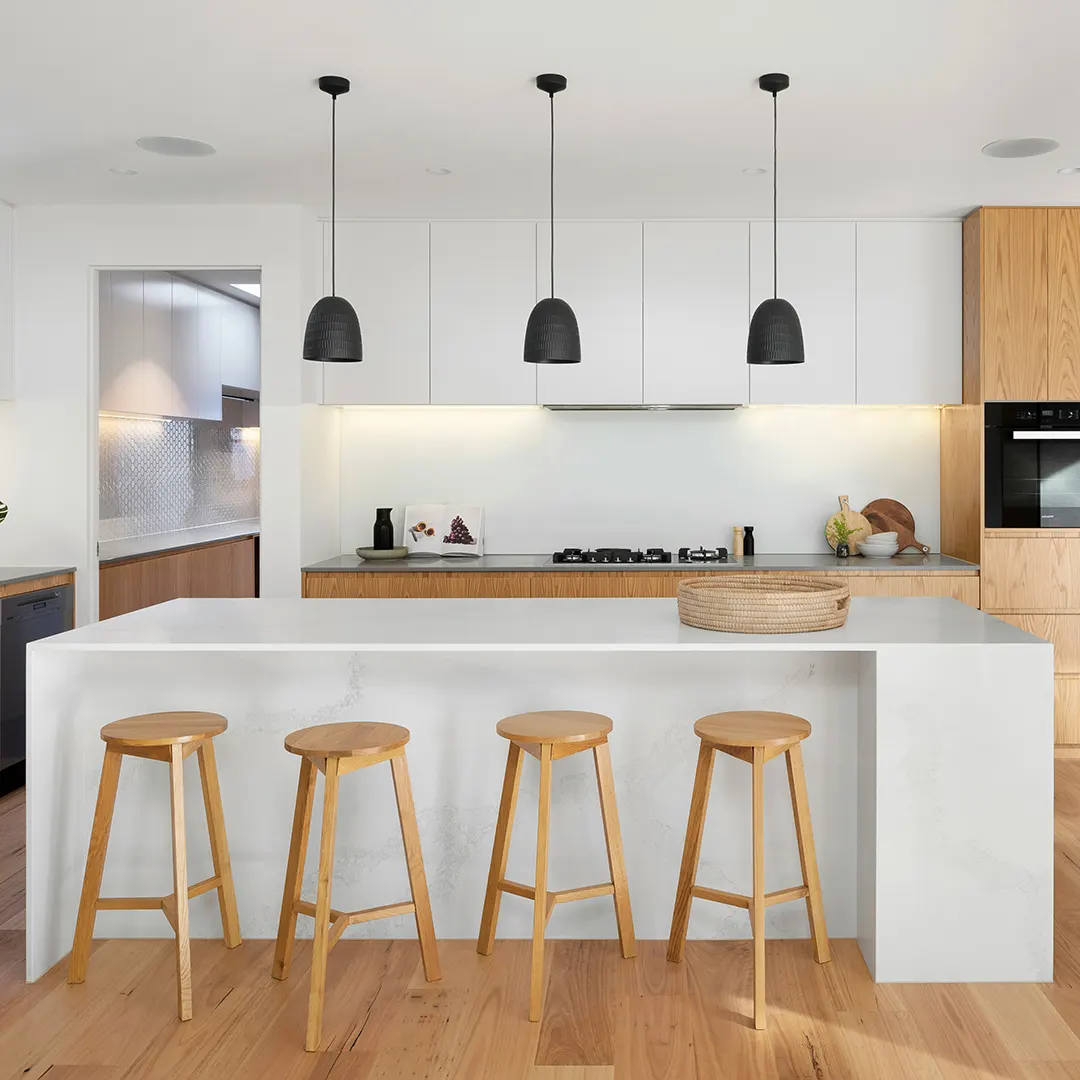
A successful island should feel connected to the rest of the kitchen. Cabinet finishes, hardware, countertops, lighting, and flooring can be coordinated to create visual continuity.
In some renovations, a contrasting island finish can create an attractive focal point without overwhelming the room. When proportions, storage, seating, and finishes are planned together, the island becomes more than an additional cabinet. It becomes a functional centerpiece that supports everyday activities and contributes to a more organized, comfortable kitchen.
Related articles