How to Choose Bathroom Tile for Durability, Safety, and Easy Maintenance
Bathroom tile should provide more than visual appeal. The right material, size, texture, and installation approach can improve safety, simplify cleaning, and help renovated bathrooms perform well for years.
Selecting Tile for Wet and Dry Areas
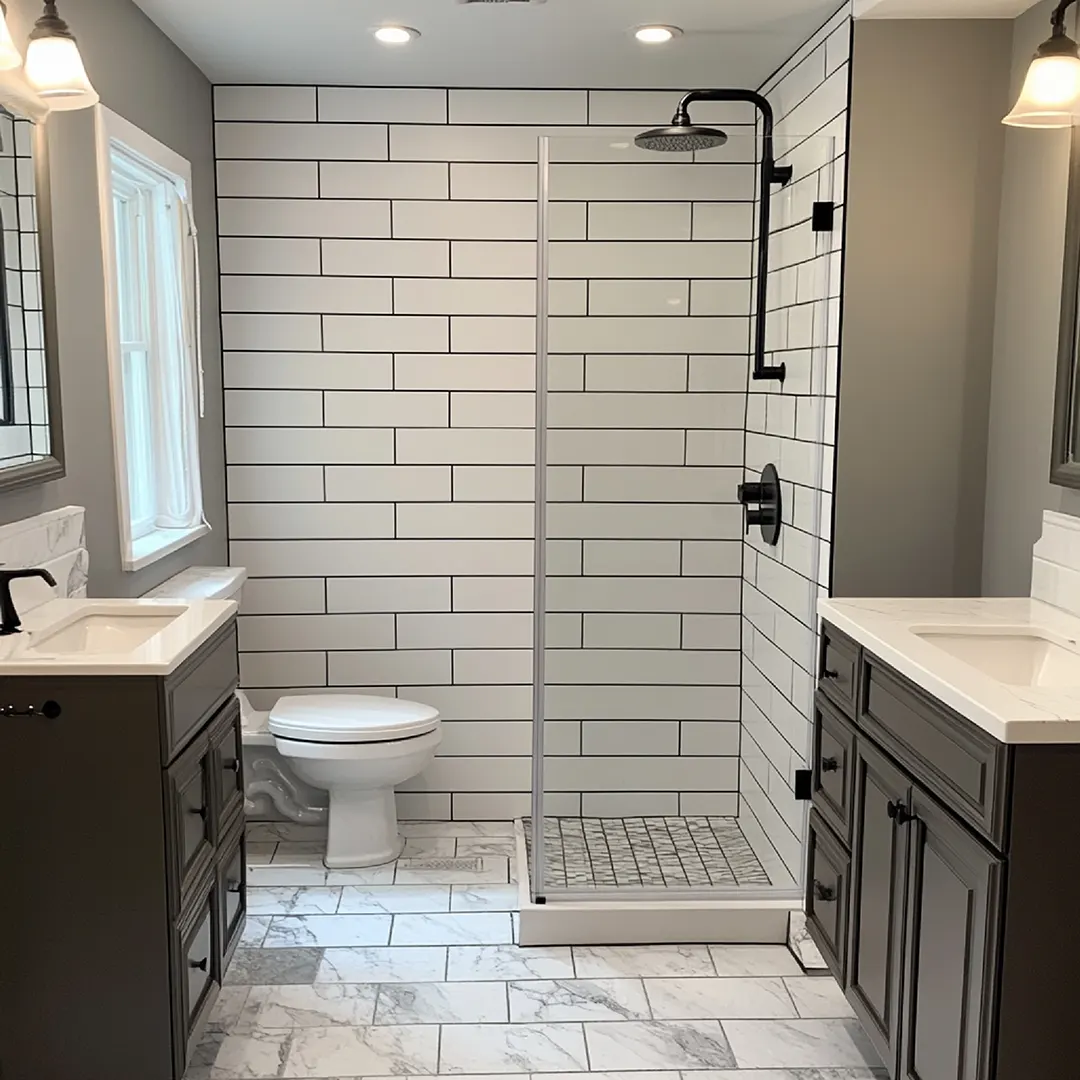
Not all bathroom surfaces face the same conditions; shower floors are exposed to water daily, while walls and areas around the sink experience less direct moisture. That’s why tiles should be selected based on where they will be installed.
Materials designed for wet environments can provide better durability and easier maintenance. Evaluating each area separately also allows homeowners to combine different tile styles without sacrificing practical performance.
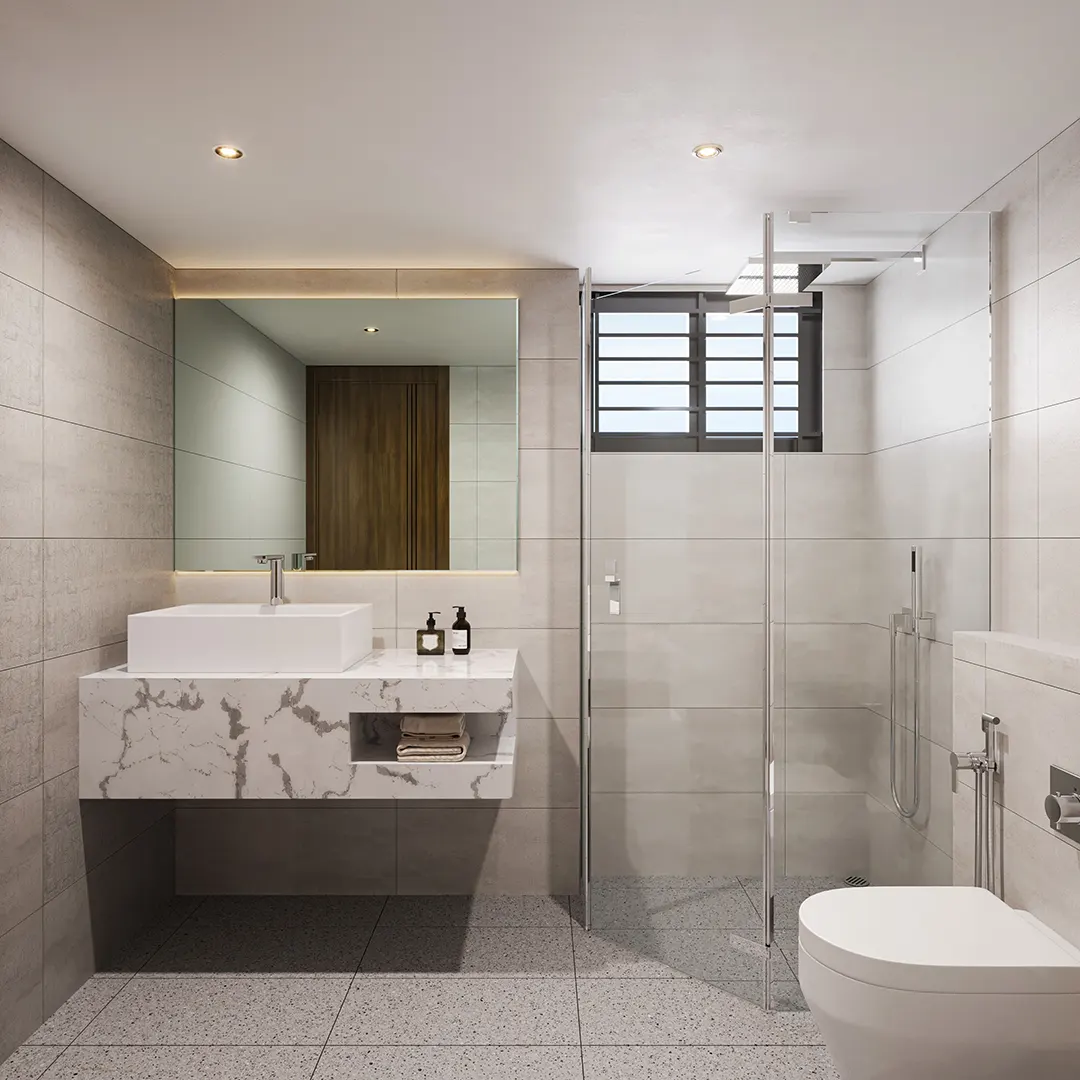
Considering Slip Resistance for Bathroom Floors
When choosing bathroom flooring, safety is a key consideration; smooth surfaces can become slippery when wet, especially near showers and bathtubs. Tiles with the right texture can provide better traction without sacrificing an attractive appearance.
Smaller floor tiles can also be useful in wet areas because additional grout lines may improve grip. The final selection should balance safety, comfort underfoot, and the overall design of the renovated bathroom.
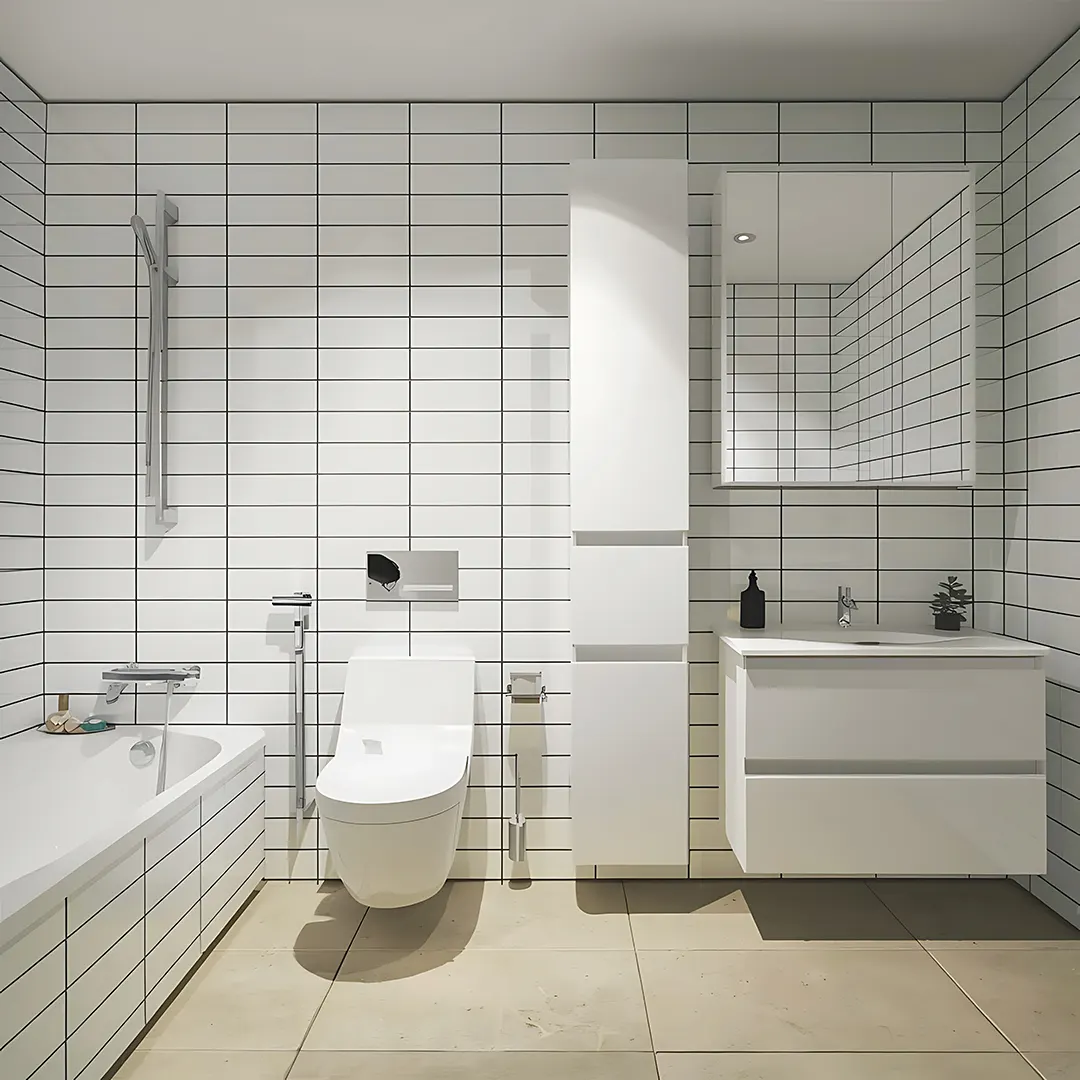
Choosing the Right Tile Size
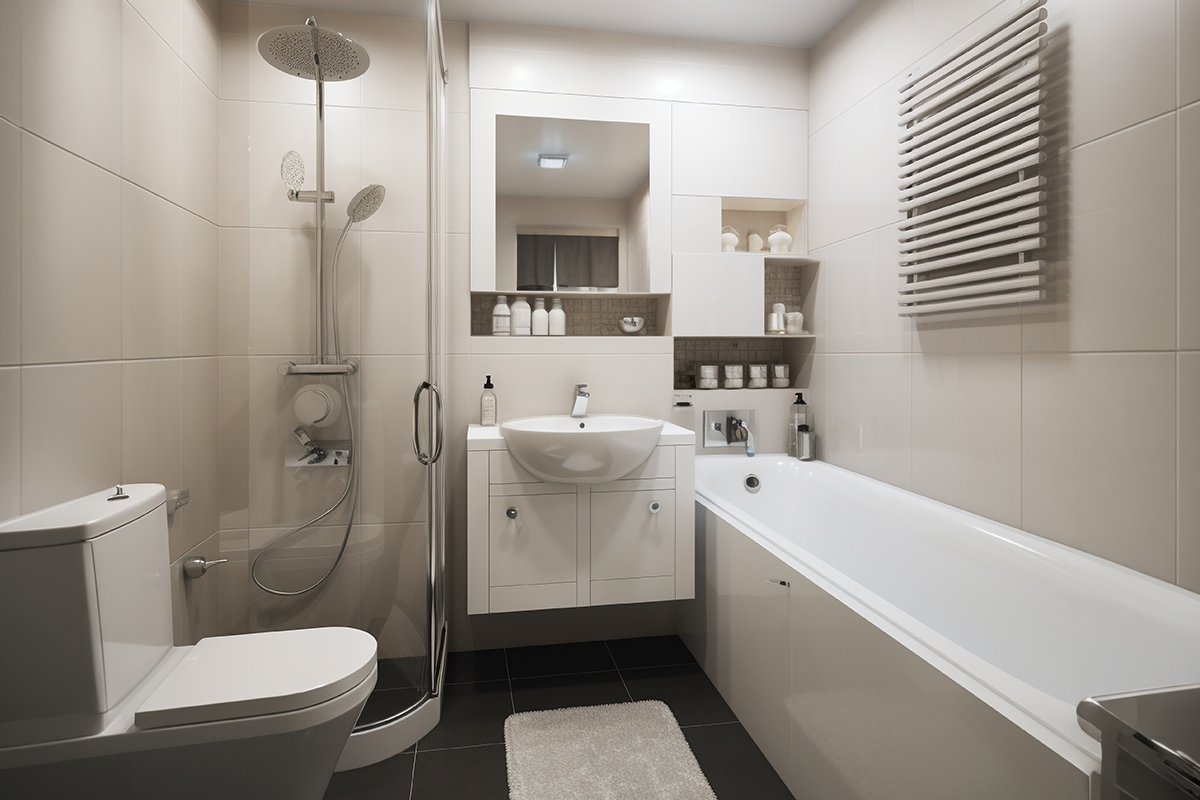
Tile dimensions can significantly change how a bathroom looks. Large-format tiles create fewer grout lines and can give walls and floors a cleaner, more continuous appearance. Smaller tiles offer greater flexibility around shower floors, niches, corners, and detailed areas.
Room dimensions should be considered before selecting a format. Proper planning can reduce awkward cuts and create a more balanced installation that complements the bathroom layout.
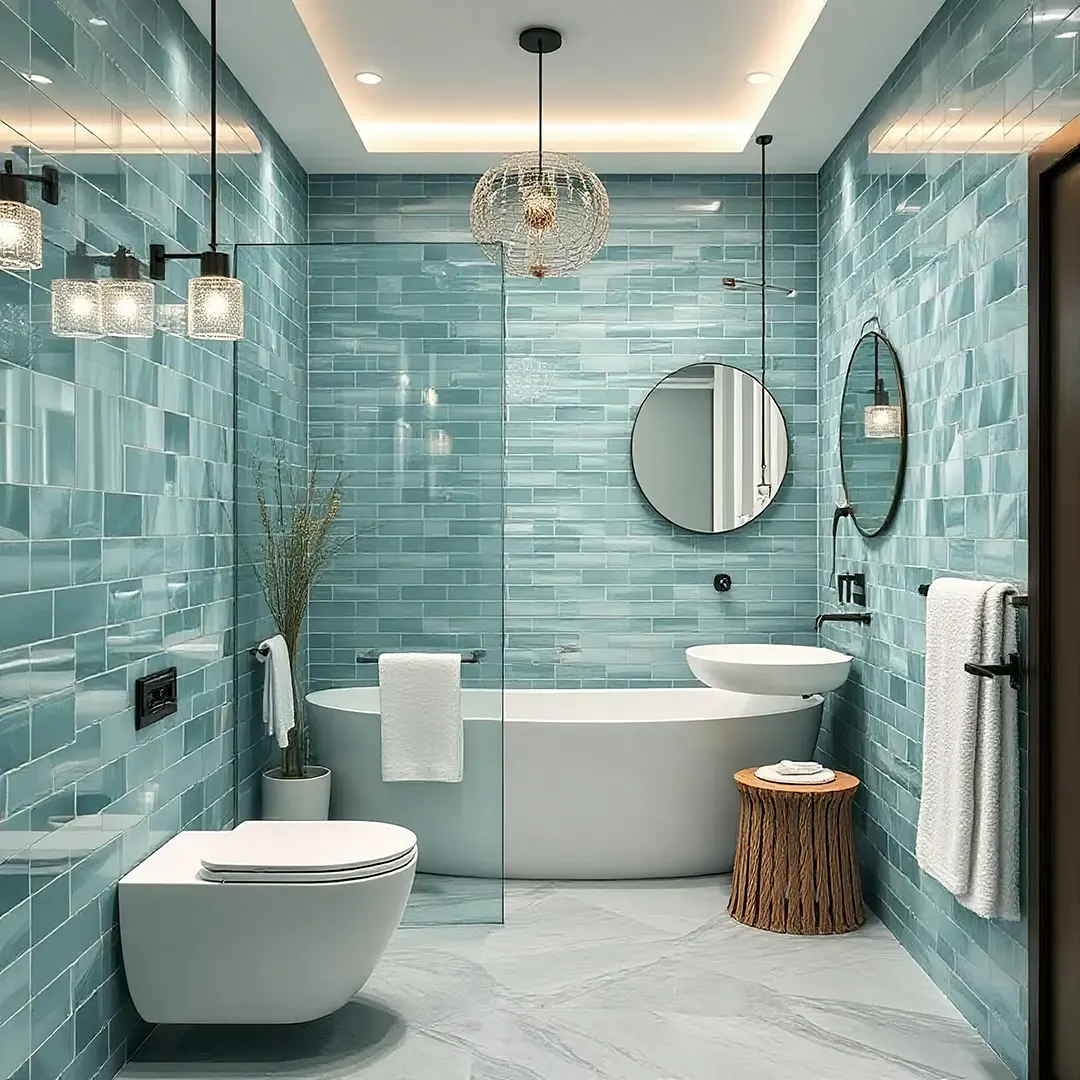
Coordinating Tile Between Floors and Walls
Bathroom tile does not need to match everywhere, but the different surfaces should feel connected. Floor tile, shower walls, accent areas, countertops, and cabinetry can be coordinated through complementary colors, textures, or patterns.
Using too many competing materials may make a bathroom feel visually crowded. A carefully planned combination creates contrast where needed while maintaining a consistent design throughout the room.

Planning for Cleaning and Long-Term Maintenance
Maintenance requirements are sometimes overlooked during bathroom renovation. Tile surfaces and grout are regularly exposed to water, soap, personal care products, and everyday traffic.
Selecting durable materials and planning grout lines carefully can make routine cleaning easier. Professional installation is equally important because properly prepared surfaces, consistent joints, and correct sealing contribute to long-term performance. When tile is selected with both appearance and maintenance in mind, the finished bathroom can remain attractive and functional for many years.
Related articles