Kitchen Countertop Planning: Choosing the Right Surface for Everyday Use
Countertops influence how a kitchen looks, functions, and handles everyday activity. Choosing the right surface during a kitchen countertop renovation can improve durability, maintenance, and long-term comfort.

Understanding How the Kitchen Will Be Used
Before selecting a countertop, daily kitchen habits should be considered. Homes where meals are prepared frequently may require surfaces that withstand spills, regular cleaning, and everyday wear. Cooking frequency, family size, workspace needs, and maintenance preferences should guide the final selection.
Comparing Popular Countertop Materials
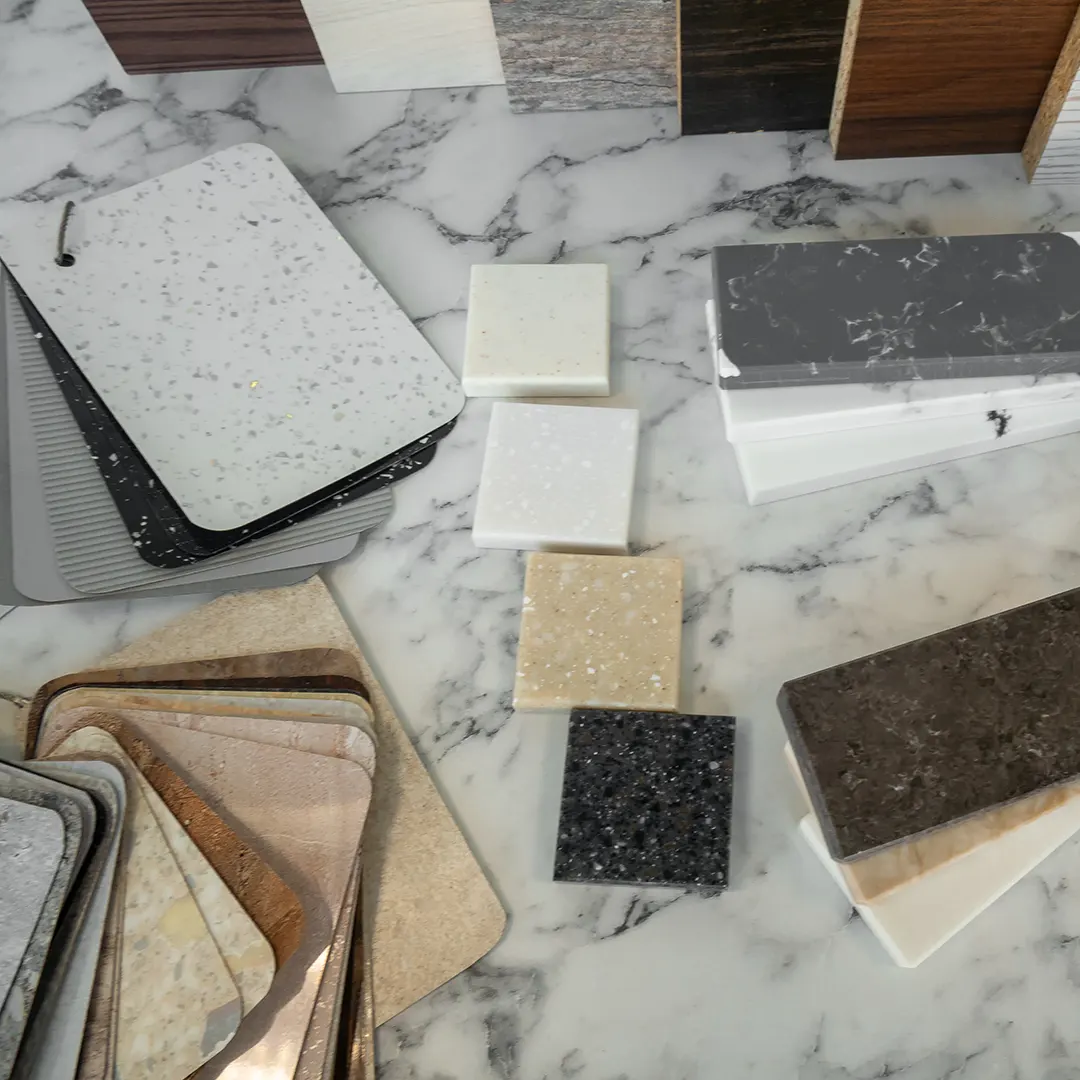
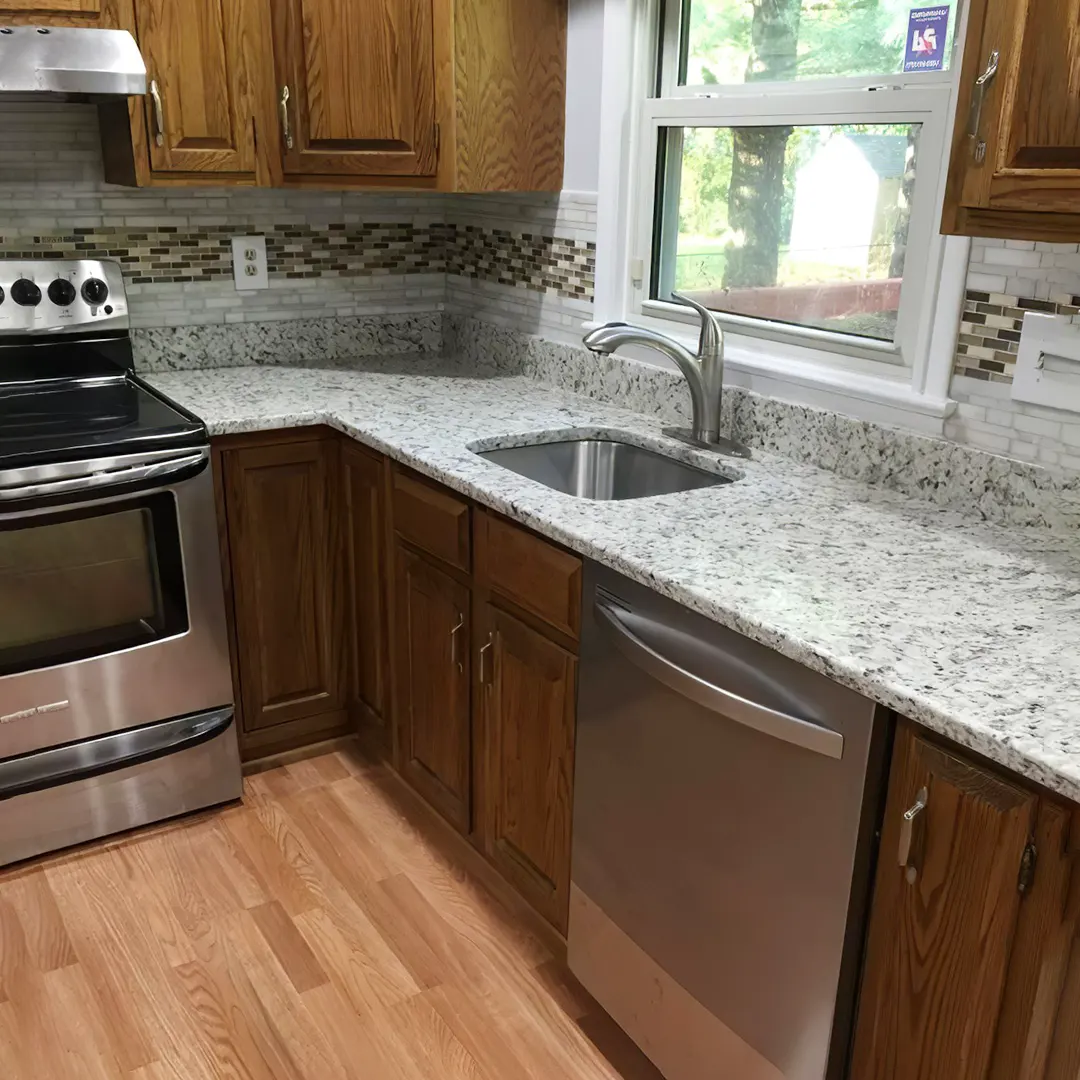
Different countertop materials offer specific advantages. Quartz provides durability, consistent appearance, and relatively easy maintenance. Granite offers natural patterns and a distinctive finish, while engineered surfaces provide additional design options. Durability, maintenance, cost, and appearance should be compared before a material is selected.
Coordinating Countertops With Cabinets and Finishes
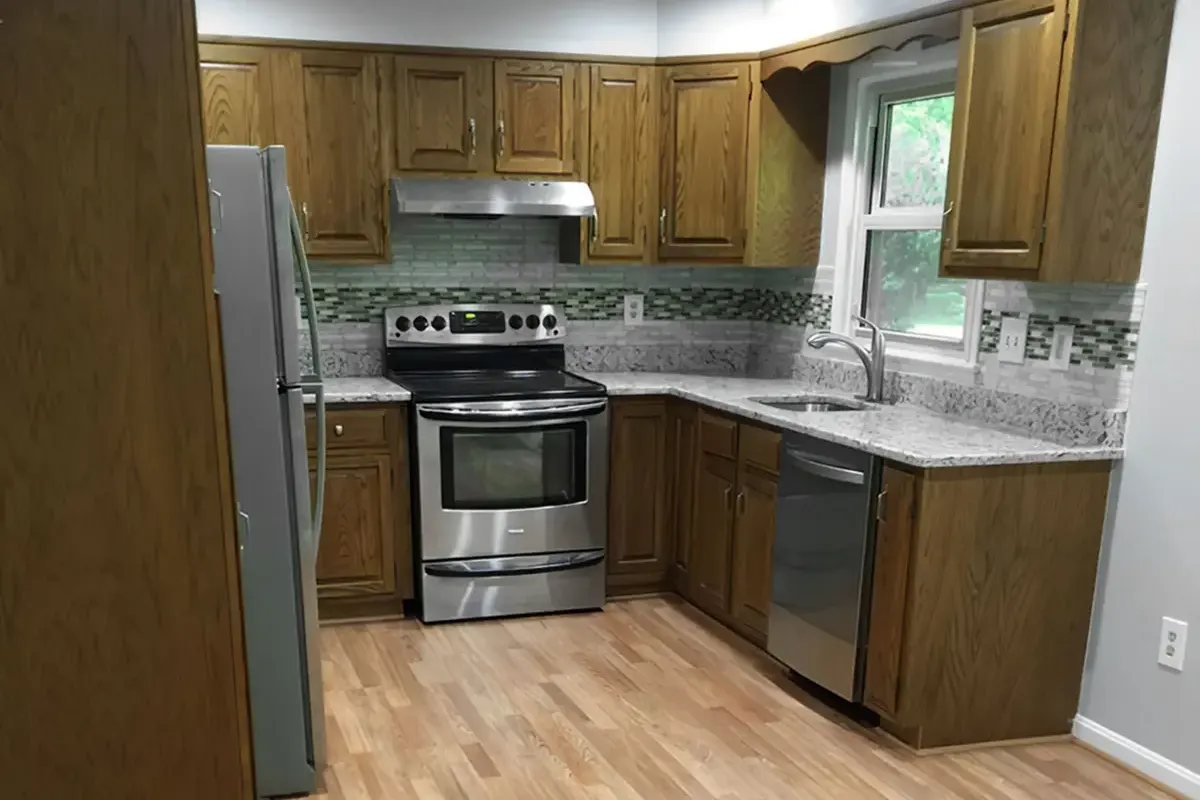
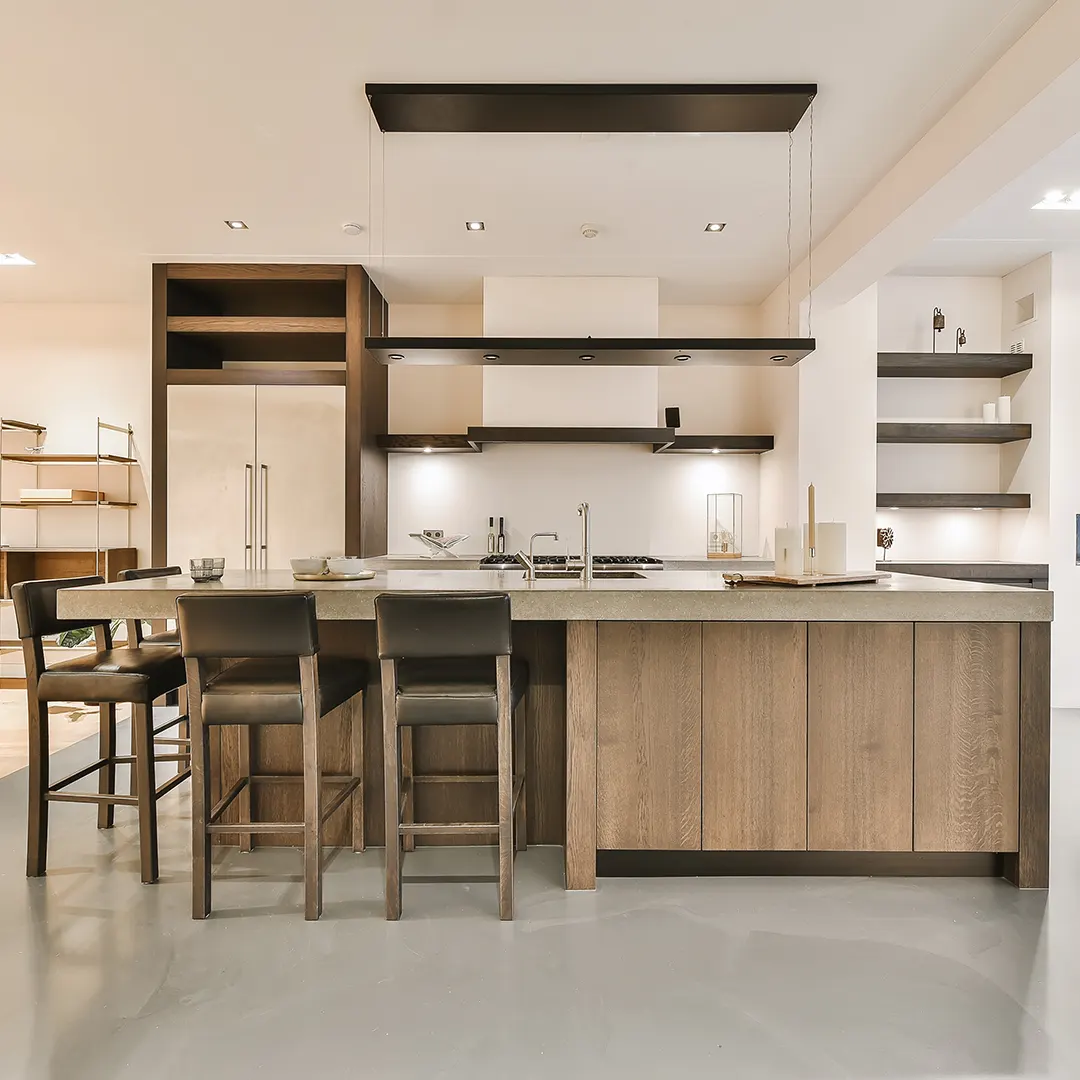
Countertops should complement cabinets, flooring, walls, and other finishes. Simple surfaces can balance detailed cabinetry, while patterned countertops can become a focal point in neutral kitchens. Material samples should also be viewed inside the kitchen because lighting can affect their appearance.
Planning Countertop Space Around Daily Activities
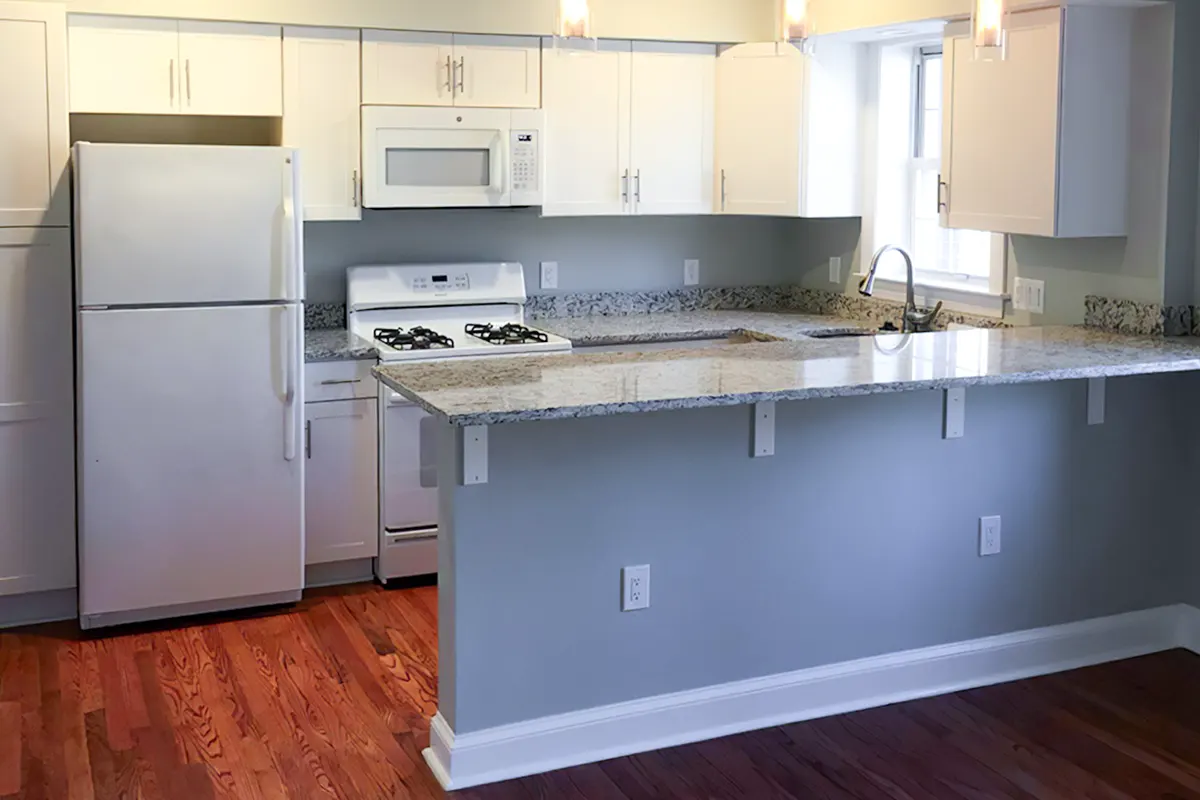
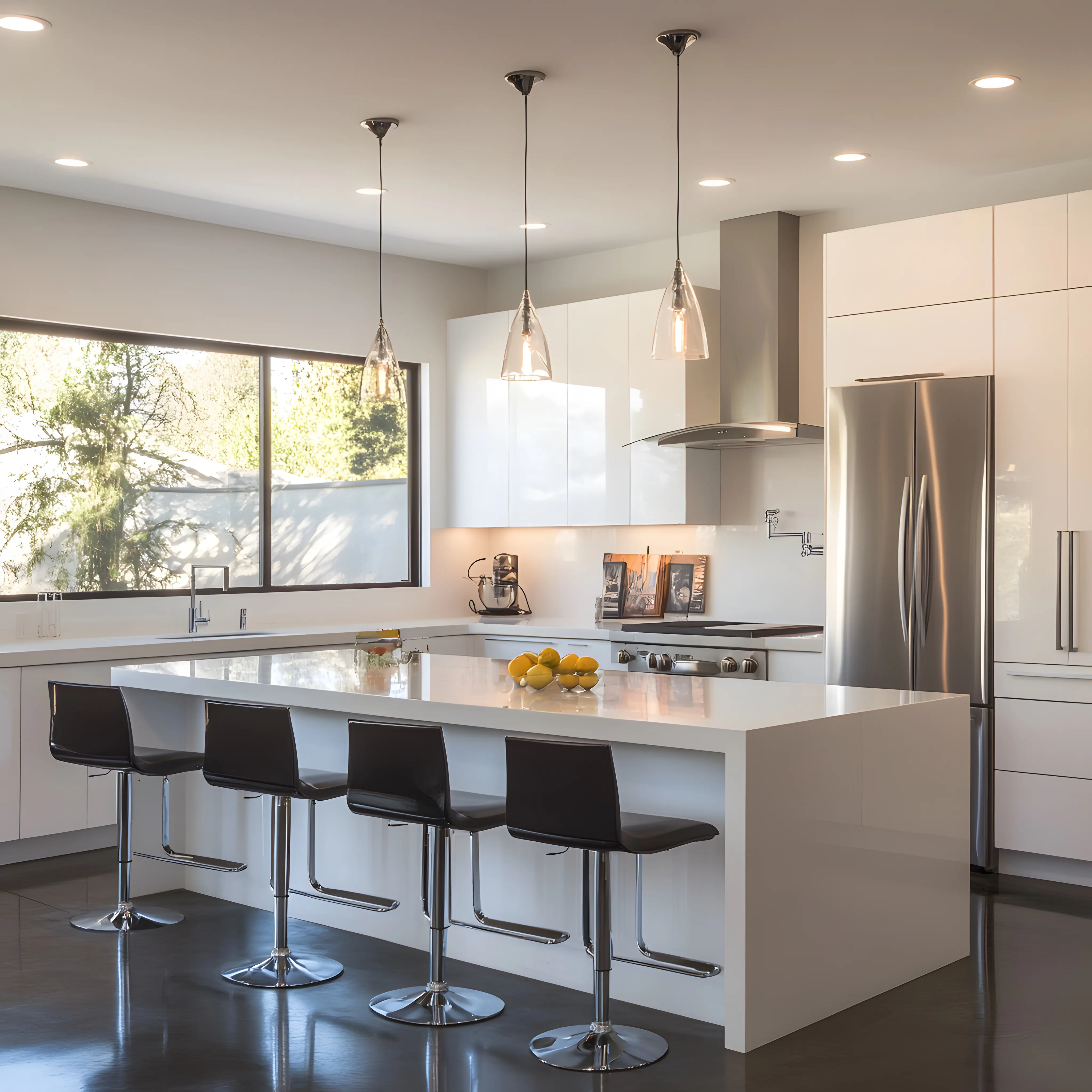
Adequate countertop space should be planned around the sink, cooking area, and refrigerator. Frequently used appliances such as coffee makers, mixers, and microwaves should also be considered. Proper placement helps preserve preparation space and keeps the kitchen organized and comfortable.
Creating a Kitchen Surface Built for Long-Term Use
A countertop should remain practical and attractive for years. Durability, cleaning requirements, installation quality, and compatibility with surrounding finishes should be evaluated together. Professional kitchen countertop renovation planning ensures accurate measurements, properly positioned openings, and coordinated finishes, creating a reliable workspace that supports everyday use while improving the kitchen’s overall appearance.
Related articles